Meta reconsiders 2030 net-zero target as AI data center emissions climb
Meta's 2026 sustainability report says the company is re-evaluating its 2030 net-zero deadline as AI infrastructure growth and a natural gas-powered data center push its emissions higher.
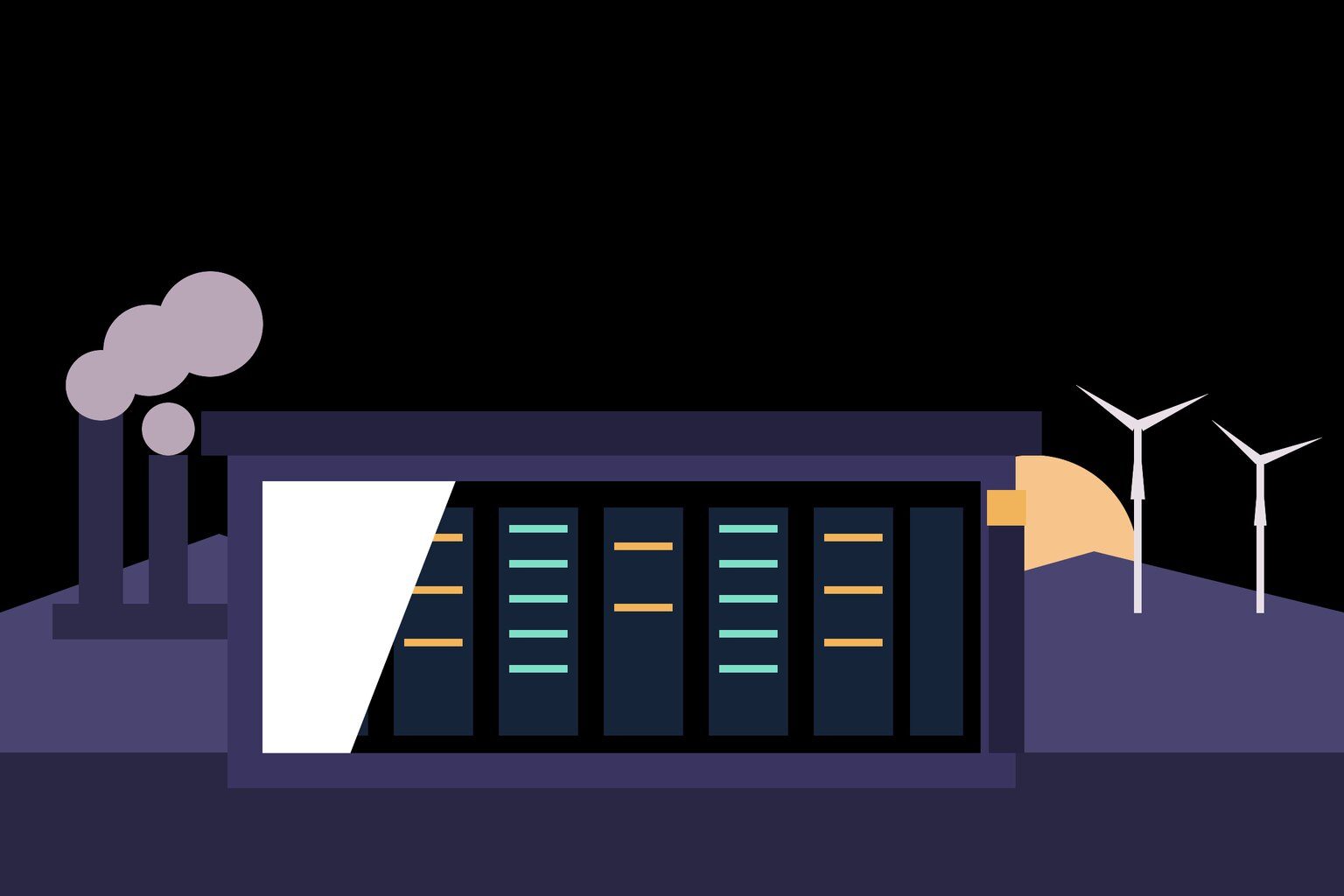
Meta has stepped back from its pledge to reach net-zero emissions by 2030. According to TechCrunch, the company's 2026 sustainability report says it is reviewing that deadline and its shorter-term targets, and it has not set a replacement date. The shift comes as rapid spending on artificial intelligence infrastructure drives up the company's emissions.
What the report says
In the report's introduction, Rachel Peterson, Meta's vice president of data centers, and Blair Swedeen, its global head of net-zero and sustainability, wrote that the company is reconsidering its timelines, sequencing and interim milestones. That review covers both the 2030 net-zero date and its near-term emissions intensity targets. The executives said the original goal assumed steady growth and falling clean energy costs, and that demand for AI infrastructure has grown much faster than expected.
A Meta spokesperson told TechCrunch the company still supports net zero but is "re-evaluating the 2030 timeline and interim milestone." The spokesperson said Meta will keep investing in emissions cuts and will report its progress every year.
Rising emissions and a bet on gas
The numbers in the report show the pressure on the target. TechCrunch notes that Meta's greenhouse gas emissions have more than doubled over the past four years, even though the company has long been one of the largest corporate buyers of clean power. Between 2024 and 2025, emissions from its data centers grew more than twelvefold.
Much of the concern centres on Hyperion, Meta's data center project in Louisiana. The company has made a multibillion-dollar commitment to natural gas power for the site, which is not yet operating. TechCrunch describes the overall project as worth more than $200 billion. The gas strategy also played a part in Meta leaving RE100, a corporate renewable energy initiative, in July. Meta had been a member for a decade, and the two parted after RE100 began requiring stricter reporting against renewable energy targets.
Wider implications for the sector
TechCrunch argues that the decision shows the weakness of voluntary climate pledges, which companies can drop with little effect on their finances. It also warns that the move could feed public pressure for binding rules that would cover the whole technology industry, not just Meta. The publication cites surveys suggesting the public already has a poor view of AI and data centers.
The report also questions the timing of the investment. TechCrunch notes that long-duration energy storage is maturing and that geothermal power could compete with natural gas by the mid-2030s. It adds that gas turbines do not suit the fluctuating power needs of AI workloads very well and typically need batteries as a buffer.
For investors and businesses, the episode raises several issues:
- Large technology firms may face harder questions about how their AI spending fits with their climate pledges.
- Stricter regulation could raise compliance costs across the data center sector.
- Decisions about energy sources now carry long-term cost and supply risks, including exposure to natural gas price shocks.
What it means for networking and infrastructure buyers
For people who follow data center hardware such as Ethernet cabling, the story shows how quickly AI-driven buildouts are reshaping the industry. Rapid expansion means continued demand for networking equipment. It may also bring closer attention to energy efficiency, sustainability reporting and possible regulation. Buyers and suppliers may want to watch how operators balance growth, power sourcing and environmental commitments, since these choices increasingly affect procurement and long-term planning.
Source: TechCrunch
This article was written with the help of AI, based on reporting by TechCrunch.